|
|

|
Bertrand Cazes
Secretary General, Glass for Europe
|
|
This edition of our newsletter places a special focus on flat glass recycling, a topic of growing strategic importance for our sector. Increasing the circular use of flat glass is essential to reduce the sector's environmental footprint, strengthen competitiveness, and support decarbonisation efforts. With the European Commission's proposal for a new Circular Economy Act now expected before the end of the year, it is more important than ever to raise awareness of the opportunities and challenges surrounding flat glass recycling for policymakers to make informed regulatory choices.
|
|
Glass for Europe's recent activities on recycling also illustrate the wide range of tools that our association deploys to support the sector.
|
|
|
|
From outreach materials, such as our recycling Q&A, to technical guidance, like the one on the harmonised methodology for calculating recycled content, to stakeholder engagement through visits to glass treatment facilities and educational activities such as plant visits for European Commission officials, we use multiple levers to generate impact. This breadth of action reflects both the importance of recycling for the flat glass sector and the value of collective industry efforts.
|
|
Over the summer, Glass for Europe has also continued to support the sector on a wide
|
|
variety of policy and regulatory issues, as shown once more by this newsletter.
|
|
Next to this, we also keep the sector updated about important changes such as the extension of sanctions banning imports of glass products from Russia or the recent changes to the PRODCOM product classifications. The association remains committed to keeping the entire value chain informed and prepared for evolving European policies and market conditions.
|
|
|
|
|
|

|
Glass for Europe published a Q&A on the fundamentals of flat glass recycling
|

|
The flat glass industry’s priority is to increase the quality and quantity of crushed flat glass (cullet) that can be recycled. In anticipation of the upcoming Circular Economy Act, Glass for Europe publishes a Q&A that delves into the fundamentals of flat glass recycling.
|
|
The flat glass industry is promoting the development of a closed-loop recycling system that would enable it to recover high-quality secondary raw materials...
|
|
|
|
|
|
|
|
Glass for Europe publishes a new paper on the harmonised calculation of recycled content in flat glass
|

|
Glass can be recycled indefinitely, and using glass cullet in production reduces the need for virgin raw materials, energy consumption and greenhouse gas emissions. Recycled content is therefore an important element of the flat glass sector’s efforts to reduce its carbon footprint. To ensure consistent and transparent reporting, a clear and harmonised methodology for calculating recycled content is needed.
|
|
Glass for Europe has published a new position paper on the harmonised definition and calculation of recycled content in the flat glass sector, developed together with Glass for Europe members and experts...
|
|
|
|
|
|
Glass for Europe visits GRL Glass Recycling & Logistics
|
|
|
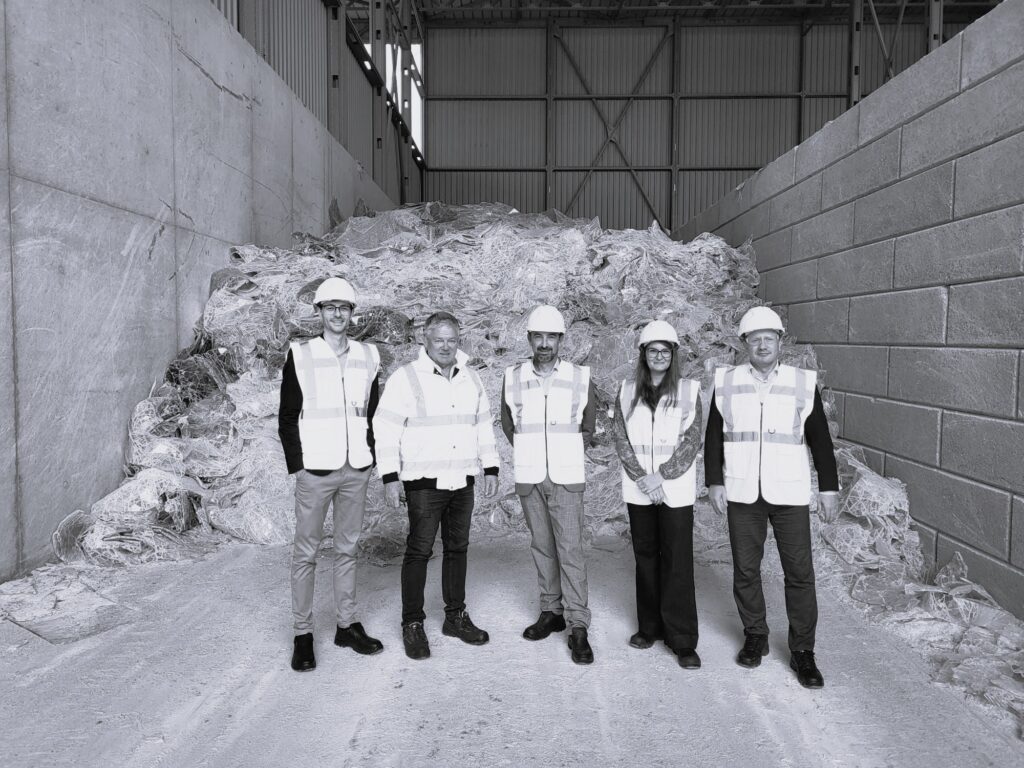
On 2 July, the Glass for Europe team visited the GRL Glass Recycling & Logistics plant in Beringen to discuss flat glass recycling ahead of the adoption of the Circular Economy Act.
|
|
The Glass for Europe team spent an afternoon at the GRL Beringen plant, thanks to the European Federation of Glass Recyclers (FERVER), who organised the visit.
|
|
|
|
|
The visit provided an opportunity to observe first-hand how flat glass recycling works in practice, as well as to engage in dialogue with the Secretary General and President of FERVER. Glass for Europe explained the focus on closed loop recycling, a priority for the flat glass industry.....
|
|
|
|
|
|

|
Glass for Europe’s initial reaction to the proposal for an ETS reform
|
|
On 17 July, the European Commission adopted its proposal for the ETS reform. Glass for Europe is currently conducted a detailed assessment of the legislative proposal. The text below is the press release which was sent following the adoption.
|
|
Glass for Europe, the trade association representing Europe’s flat glass sector, considers reform of the EU Emissions Trading System (EU ETS) beyond 2030 both necessary and long overdue to restore a credible business case for industrial decarbonisation in Europe’s flat glass manufacturing sector.
|
|
Glass for Europe recognises the European Commission’s objective of accelerating emissions reductions in industries that manufacture the materials underpinning Europe’s economy...
|
|
|
|
|
|
|
|
EU Public Procurement Act proposal is published: implications for the flat glass sector
|
|
|
|
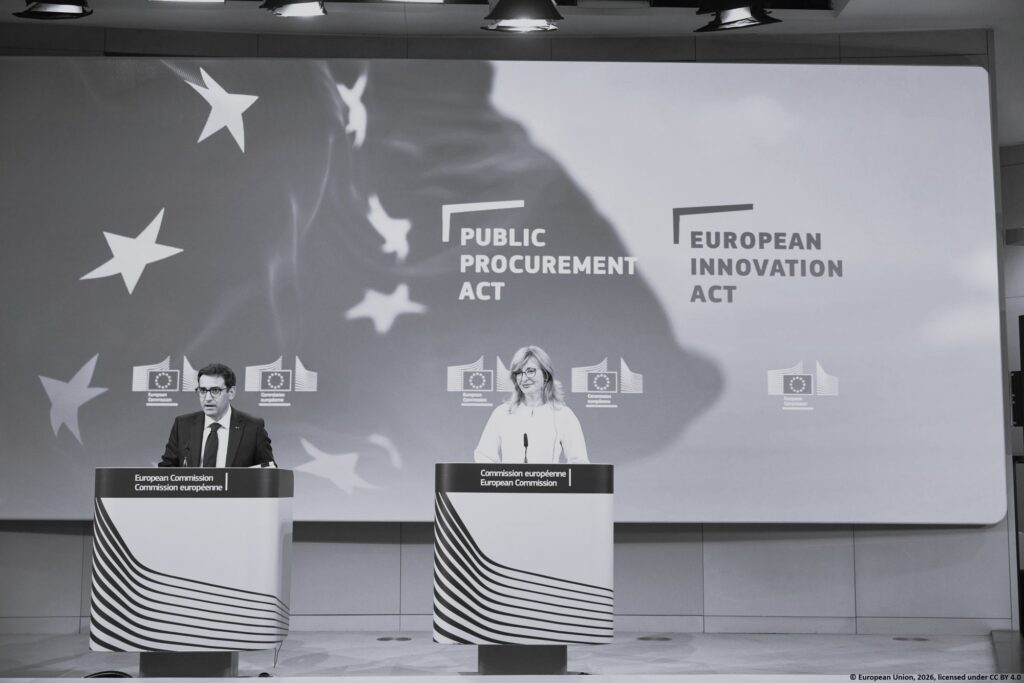
On 9 September, the European Commission published its proposal for a Public Procurement Act (PPA), a Regulation intended to replace the three current Directives with a single, directly applicable set of rules across all EU Member States. Public procurement represents around 15% of EU GDP, and the Commission’s stated ambition is to simplify and modernise the framework, notably making it a lever for the EU’s strategic priorities....
|
|
|
|
|
|
|
|
Changes to PRODCOM Classification Affect Several Flat Glass Products
|
|
|
|
|
|
The transition from the GP19 to the new GP26 production statistics classification system introduces several changes affecting flat glass products.
|
Three coated glass product categories have been reclassified from NACE code 23.11 (“Manufacture of flat glass”) to NACE code 23.12 (“Shaping and processing of flat glass”). The changes are as follows:
|
- 23.11.12.12 becomes 23.12.14.10 – Non-wired sheets, of float, surface ground or polished glass, having a non-reflecting layer
- 23.11.12.14 becomes 23.12.14.11 – Non-wired sheets, of float, surface ground or polished glass, having an absorbent or reflective layer, of a thickness ≤ 3,5 mm...
|
|
|
|
|
Imports of mirrors from Russia are now banned
A review of EU import bans on flat glass products from Russia and Belarus
|
|
|
|
On 23 July, the European Union enacted a ban on imports of mirrors originating in Russia. The ban covers all types of mirrors, including automotive mirrors, as it encompasses the entirety of CN code 7009: “glass mirrors, whether or not framed, including rear-view mirrors”. The provision entered into force immediately, with a wind-down period until 25 October 2026 for contracts concluded before 24 July 2026...
|
|
|
|
|
|
|
|
Glass for Europe attends a roundtable organised by the European Commission’s DG ENER
|
|
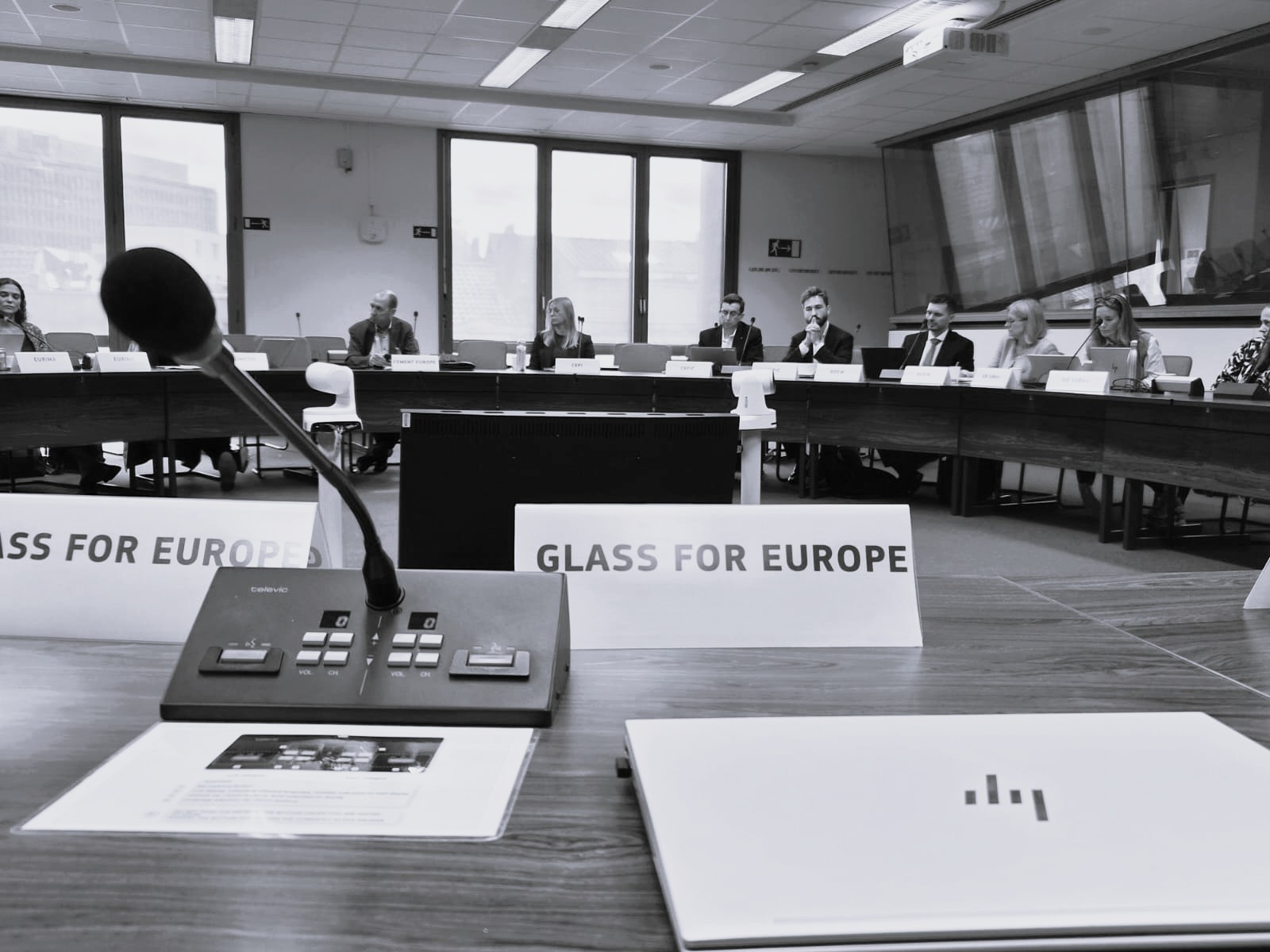
On 8 September 2026, Glass for Europe took part in a roundtable on energy organised by the European Commission’s DG ENER. The meeting, initiated by the new Director-General Céline Gauer, was meant to gather views from energy-intensive industries on priorities to be addressed in the EU energy policies.
|
|
Iva Ganev, Environment and Climate Policy Manager, thanked DG ENER for taking into account the sector’s specificities in the Electrification Action Plan published on 17 July 2026...
|
|
|
|
|
|
Glass for Europe highlights the role of renewable gases in flat glass decarbonisation
|
|
|
Iva Ganev, Environment and Climate Policy Manager at Glass for Europe, took part in Eurogas’ Renewable Gas Conference & Barbecue on 1 July in Brussels, highlighting the need for a diverse range of solutions to decarbonise flat glass production in Europe.
|
|
The Eurogas Renewable Gas Conference brought together stakeholders from across the energy and industrial sectors to discuss the role of renewable gases in Europe’s transition towards a more competitive and climate-neutral economy...
|
|
|
|
|
|

|
Glass for Europe welcomes a European Commission delegation to AGC Glass Europe’s plant in Moustier
|
|
|
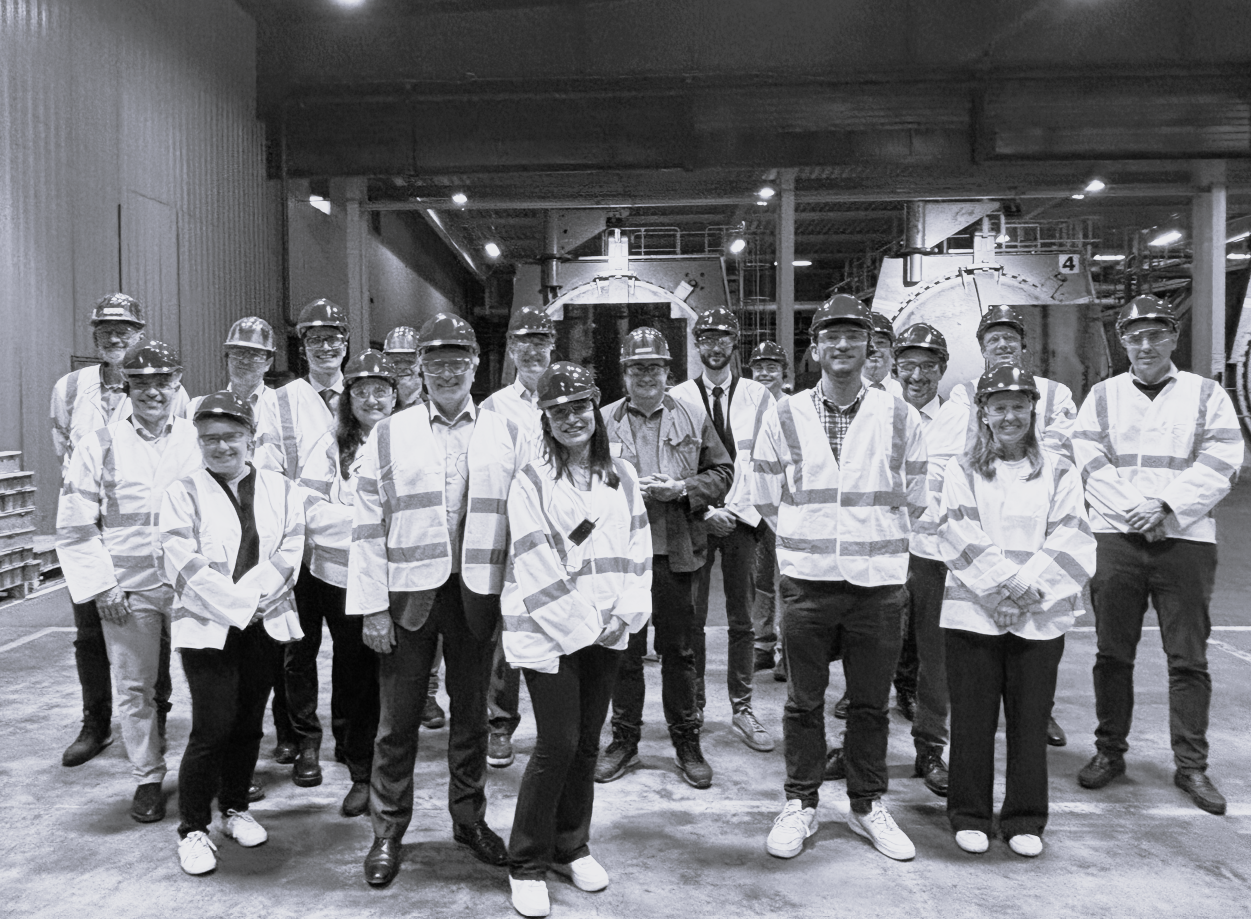
On 17 September, Glass for Europe, in collaboration with Glass Alliance Europe, organised a visit for a delegation from the European Commission to AGC Glass Europe’s float glass plant in Moustier, Belgium. The visits offered Commission officials a first-hand view of flat glass manufacturing and an opportunity to discuss the challenges and opportunities facing the sector.
|
|
The visit was joined by representatives from four different European Commission’s Directorates-general...
|
|
|
|
|
|
|
|
Glass for Europe launches #MoreThanYouSee campaign
|
|
|
|
|
Glass for Europe launches a series exploring how the solar factor is integrated in national legislations
|
Over the past two weeks of September, Glass for Europe launched its new #MoreThanYouSee campaign on LinkedIn, highlighting the essential role of flat glass in Europeans’ daily lives and its contribution to many of Europe’s policy priorities.
|
|
“Our industry values transparency that has an impact,” said Bertrand Cazes, Secretary General of Glass for Europe. “Through #MoreThanYouSee, we want to make visible the often-unnoticed contribution of flat glass to citizens’ everyday lives and to Europe’s strategic objectives.”...
|
|
|
|
|
|
|
|
Glass for Europe launches a series exploring how the solar factor is integrated in national legislations
|
|
|
As a follow-up to the informative paper “The role of solar control glazing in passive cooling of buildings” published earlier this year, Glass for Europe has launched a communications campaign to explore how the solar factor is considered in various EU and international legislations.
|
|
As Europe experiences increasingly frequent and intense heatwaves, ensuring buildings remain habitable and comfortable has become a growing priority...
|
|
|
|
|
|
|
|
|
|
|
|